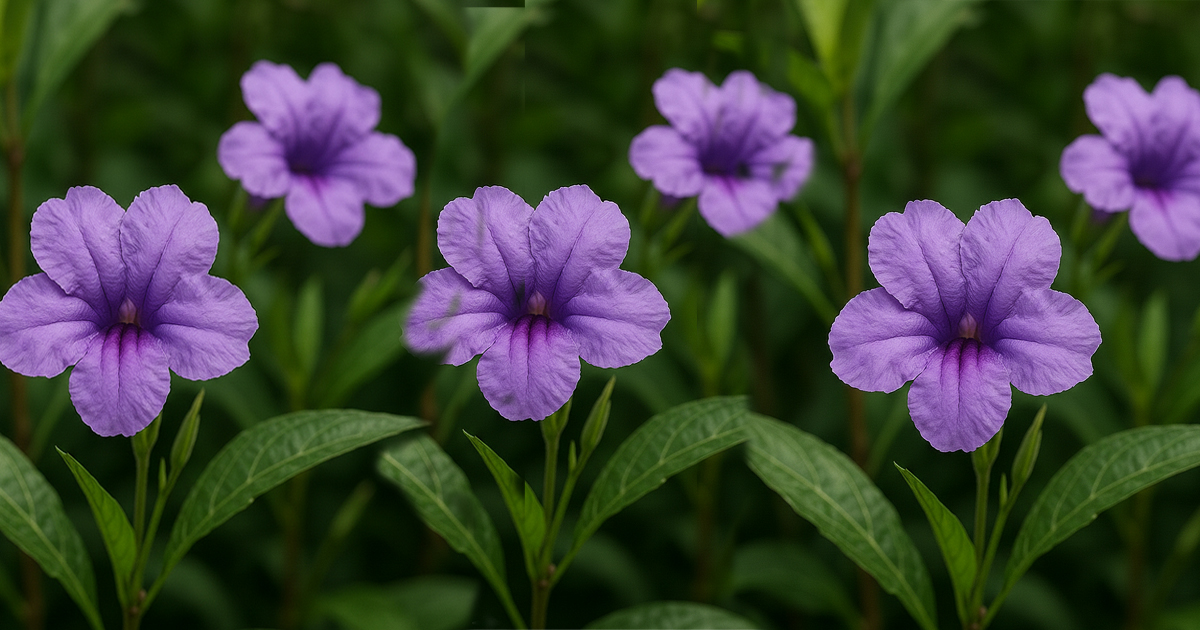
Ruellia longifolia (Minnieroot) Benefits
Here are the other names for Ruellia longifolia (Minnieroot):
1. Hindi: Bhadrakshi
2. Kannada: Bhadra kalli
3. Telugu: Bhadrakshi
4. Tamil: Bhadragottu
5. Malayalam: Bhadrakshi
6. Marathi: Bhadrakshi
7. Gujarati: Bhadrakshi
8. Sanskrit: Bhadrakshi
9. English: Minnieroot, Wild Petunia
What is Ruellia Longifolia?
Minnieroot is a flower type that belongs to the Acanthaceae family, native to Central America, but now it's already naturalized in various countries of tropical South and Southeast Asia.
Ruellia tuberosa is a small biennial flowering plant of the Acanthaceae family, occurring in wet, shady places, as a general weed by mostly cultivated lands and most grasslands and roadsides. The plant is also valued for its had medicinal potentials.
One of the advantages of Ruellia tuberosa is that men have employed it as a diuretic, antipyretic, analgesic, antihypertensive, anthelmintic, abortifacient, and emetic for diseases classified as renal disorders, bronchitis, gonorrhea, and syphilis.
Ruellia tuberosa is generally found in moist and shady habitats. Grasslands and roadsides are preferred growing areas, however; it often grows as a weed in cultivated fields and also in xerophile and ruderal habitats.
Medicinal and Skincare Benefits
- The leaves and roots are used for urinary retention treatment.
- It is used in Cayman Islands for treatment of cardiac ailments.
- It has been used in Grenada to treat symptoms of high blood pressure, fevers, and the common cold.
- It is an ingredient used in a Dominican Republic drink recipe for enhanced virility in men.
- It is being practiced as traditional medicine in Sri Lanka for gastrointestinal tract pain.
- In India, Ruellia leaf juice was given for the treatment of wounds from scorpion bites.
- In folk medicine and Ayurvedic medicine, it is said to be diuretic, anti-diabetic, antipyretic, analgesic, antihypertensive, gastroprotective, and used as a remedy for gonorrhea.
Tagged In:
Powered by Develixirs